
0%

Extreme Environment Power Solutions matter when ordinary equipment meets conditions it was never designed to endure. A wind farm may face salt spray and freezing gusts. A remote communications station may run through dust, vibration, and long periods without maintenance. In these places, dependable power depends on more than a battery or generator. It requires components selected for the full operating environment, plus protection, monitoring, and a realistic service plan.

A useful engineering perspective comes from aerospace engineer Theodore von Kármán: “Scientists study the world as it is; engineers create the world that has never been.” His words fit the challenge of designing power systems for harsh settings. Engineers must consider temperature swings, moisture, corrosion, shock, and limited access to replacement parts. A sealed enclosure, for example, can help keep out dust and water, but heat still needs somewhere to go. Small details matter.

This guide compares power approaches for global buyers, including rugged batteries, renewable systems, backup generation, and hybrid configurations. It also considers application needs, operating conditions, maintenance access, and supplier support. There is no universal winner. A solution that performs well in a desert installation may struggle in a cold, marine environment. Specifications deserve scrutiny, and real-world performance can differ from a test sheet. That deserves attention. Buyers should verify environmental ratings and request evidence relevant to their site before committing. No system is perfect; even a carefully engineered design can expose assumptions once it meets the field.
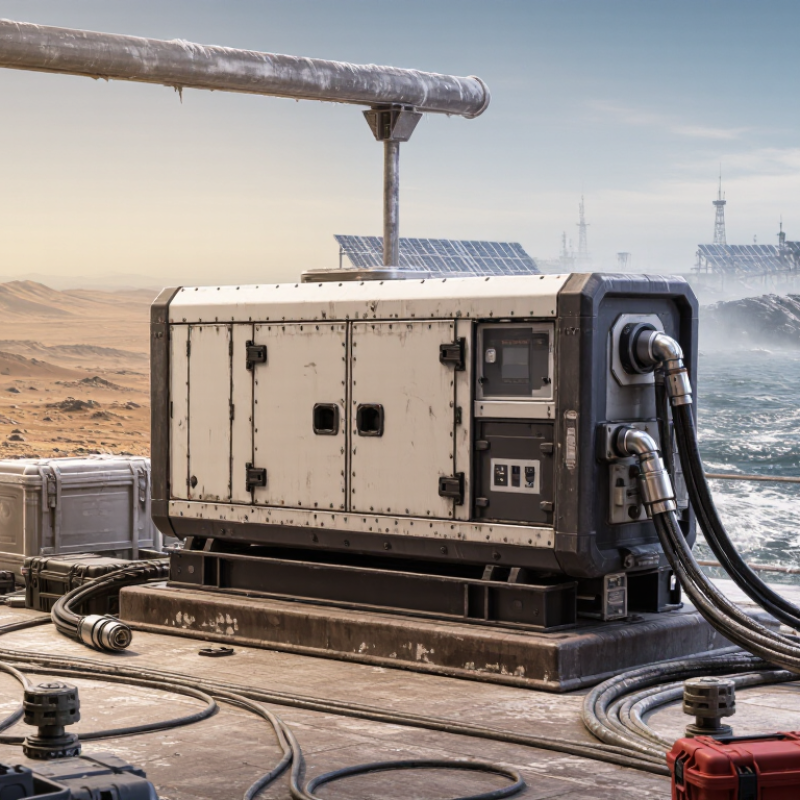
Top Extreme Environment Power Solutions for Global Buyers

Understanding Power Needs in Extreme Environments

Extreme environments change power requirements in ways that standard equipment lists may not capture. In a desert, hot air and fine dust can raise operating temperatures and clog filters. At high elevations, thinner air may reduce cooling capacity. Cold sites create a different challenge: batteries can deliver less energy, while startup loads may remain high. Specify the expected temperature range, altitude, humidity, vibration, and exposure to salt or dust before selecting a system.

Power demand also varies over time. A remote monitoring station may use little energy most hours, yet require a brief surge when communications equipment starts. Size generation and storage around both continuous loads and peak demand. Include conversion losses and a reserve for cloudy days or delayed fuel deliveries. Redundancy can improve availability, but extra components also need inspection and repair. That trade-off is easy to underestimate on paper. Access matters: a filter that takes ten minutes to reach in a workshop may be difficult to service in blowing sand.

Tips: Record real load data where possible, then check it against the equipment nameplates. Ask how output changes at site temperature and altitude. Keep maintenance steps practical for the crew on location. A neat specification is not always a workable plan.

Comparing Power Solutions for Harsh Conditions

Choosing power for harsh environments means comparing reliability, fuel access, maintenance, and total operating cost. Diesel generators provide dispatchable power through long storms or polar nights, but need protected fuel storage, regular servicing, and dependable resupply. Solar-plus-battery systems reduce fuel deliveries in sunny, remote areas. Yet dust can cover panels, while heat and freezing temperatures affect battery performance. No option is perfect.

IRENA’s Renewable Power Generation Costs in 2023 reports that utility-scale battery storage costs fell 89% between 2010 and 2023. That trend makes hybrid systems more practical, though it does not remove site-specific risks. In a desert installation, crews may need to clean panels often and shade battery enclosures. At a cold-weather site, insulation and battery heating add loads that planners can underestimate. Small details matter. A hybrid system can pair solar and storage with a generator for extended low-sun periods, reducing fuel use without relying on batteries alone. Before selection, buyers should compare expected temperature ranges, dust exposure, spare-parts access, and repair response time. Field conditions rarely match neat design assumptions; even good estimates need review after the first operating season.

Top Extreme Environment Power Solutions for Global Buyers - Comparing Power Solutions for Harsh Conditions

Power Solution Typical Application Scale Performance in Harsh Conditions Key Advantages Main Limitations Maintenance and Planning Priorities
Solar photovoltaic system with battery storage Small off-grid loads through utility-scale installations Useful in sunny remote locations. Panels can operate in cold weather, but snow, dust, shading, and prolonged low sunlight reduce energy production. No on-site fuel combustion; modular design; relatively low routine maintenance. Output varies with daylight and weather. Batteries add cost and may need temperature management; charging limits depend on battery chemistry and manufacturer specifications. Plan for seasonal sunlight, snow or dust removal, secure mounting, corrosion-resistant hardware, and battery heating or cooling where required.
Diesel generator Portable, standby, and continuous power from small installations to multi-megawatt sites Can provide dispatchable power in remote and severe-weather locations when correctly specified. Cold, heat, altitude, dust, and salt exposure can affect starting, output, cooling, and service life. Established technology; fuel is energy-dense; can supply power on demand and support peak loads. Requires regular fuel deliveries and servicing; produces exhaust and noise. Fuel quality and storage can become difficult in very cold or remote settings. Specify cold-start provisions or hot-weather cooling as needed; protect fuel from water and contamination; plan filters, spare parts, ventilation, and scheduled servicing.
Wind turbine system Small remote installations through community and utility-scale projects Can generate power in exposed, windy regions. Turbine output depends on wind conditions; icing, turbulence, and extreme winds may require protective controls or shutdown. Can complement solar generation when local wind patterns differ from sunlight availability; no fuel is needed during operation. Wind is variable, and suitable sites require assessment. Moving components and access challenges can increase maintenance demands. Assess long-term wind conditions and turbulence; account for icing and storm loads; plan inspection access, component servicing, and backup or storage capacity.
Micro-hydropower Remote facilities and communities with a suitable stream, flow, and elevation drop Can provide steady power where water flow is dependable. Seasonal flow changes, freezing, sediment, and debris can reduce output or interrupt operation. May deliver continuous power with less dependence on daily weather than solar or wind; can be compact at suitable sites. Requires an appropriate water resource and site-specific civil works. Output is limited by available flow and elevation difference. Measure seasonal water availability; manage intake screens and sediment; account for ice, flood conditions, environmental requirements, and access to equipment.
Hydrogen fuel-cell system Backup, mobile, and modular stationary power, depending on system design Can supply electricity where hydrogen and suitable equipment are available. Cold-weather operation and startup depend on the system design and may require thermal management. Electricity generation at the point of use does not involve combustion in the fuel cell; modular systems can support specific backup or remote-power needs. Reliable fuel supply, storage, and delivery infrastructure are essential. Overall cost and logistics depend on hydrogen availability and production method. Plan fuel sourcing and safe storage; follow equipment requirements for ventilation, detection, temperature control, and inspection.
Battery energy storage system From small backup installations to grid-scale storage Can stabilize power from generators and renewable sources. Usable performance and charging behavior vary with temperature, battery chemistry, and system controls. Responds quickly to changing loads; stores energy for later use; can reduce generator runtime when paired with another source. Stores rather than generates energy, so a charging source is required. Capacity, service life, and safe operating limits depend on the selected battery and installation. Use manufacturer-specified temperature controls and battery management; provide suitable enclosures, monitoring, ventilation or thermal management, and emergency planning.

Comparison note: Performance varies by equipment design, site conditions, climate, installation quality, and operating practices. Confirm environmental ratings, output derating, and maintenance requirements with the equipment supplier before selection.

Assessing Durability, Safety, and Environmental Protection

Extreme-environment power equipment must keep working when heat, cold, dust, and vibration arrive together. Buyers should compare tested operating limits, not just attractive headline ratings. Cold changes things. A battery may deliver less power in freezing conditions, while heat can shorten component life. Ask whether performance was checked under load across the stated temperature range. A test report can still miss real installation details, such as a cable rubbing against a sharp cabinet edge.

Safety depends on more than a strong enclosure. Look for clearly documented overcurrent protection, thermal controls, grounding, and safe isolation for maintenance. Check that connectors remain secure after vibration and can be handled with protective gloves. Details matter. Review the instructions for warnings, inspection intervals, and emergency shutdown steps. If these are vague, pause and ask for clarification.

Environmental protection should cover both the equipment and its surroundings. Seals help keep out moisture and dust, but damaged gaskets can quietly defeat them. Ask how enclosures resist corrosion near salt air, and whether filters or seals can be replaced without discarding the whole unit. Consider repair options, spare-part availability, and end-of-life handling. No single rating proves suitability for every site; actual exposure, mounting, and maintenance habits matter, too.

Matching Technologies to Regional Applications

Top Extreme Environment Power Solutions for Global Buyers

Matching power technology to regional conditions starts with the site, not a product catalogue. In hot, dusty regions, solar arrays can reduce fuel use, but sealed enclosures, filtered ventilation, and regular panel cleaning matter. Fine dust can still enter equipment during maintenance. For remote facilities, hybrid solar and generator systems may provide steadier supply when cloudy periods last longer than expected.

Tips: Check local temperature ranges, dust, humidity, altitude, and service access before choosing equipment. In cold climates, battery capacity and charging performance can fall sharply; specify systems with suitable thermal management and verify operation at the site’s lowest expected temperature. Coastal installations need corrosion-resistant materials and protected connections. At high elevations, engines and cooling systems may require adjustments because thinner air affects performance. Small details count.

Use hourly load data, seasonal weather records, and realistic maintenance schedules to compare options. Ask local technicians whether replacement parts and safe service procedures are available year-round. A design that works in a controlled test may struggle beside a windswept mine or an isolated weather station.

Buyers should also question assumptions: average climate figures can hide short, severe temperature swings, and the cheapest configuration may create costly service trips.

Selecting and Maintaining Reliable Power Systems

Selecting a reliable power system begins with the actual load, not the nameplate maximum. List continuous demand, start-up surges, and essential circuits separately. Then assess heat, cold, altitude, dust, salt spray, and vibration at the installation site. A unit that performs well in a temperate workshop may lose capacity in thin air or extreme heat. Details matter.

Compare the system’s rated output under expected conditions, and check how it handles sudden load changes. Confirm fuel or energy availability, battery autonomy, enclosure protection, and access for repairs. Keep controls simple enough for local operators to use confidently. It is easy to over-specify capacity and still overlook a difficult filter change or an exposed cable connection. Test under load.

Maintenance should follow the equipment maker’s schedule and the site’s operating conditions. Inspect connections, ventilation paths, fluid levels, filters, and batteries at recorded intervals. Run functional tests before severe weather, not during an outage. Keep records. A checklist can look complete while a loose terminal remains hidden, so inspections still require care and judgment. Review failures and near misses, then adjust the maintenance plan rather than assuming the original schedule is perfect.

FAQS

When is a diesel generator useful in harsh conditions?

It can provide steady power through long storms or polar nights. It needs protected fuel storage, regular servicing, and reliable resupply.

Can solar panels and batteries replace fuel deliveries?

They can reduce deliveries in sunny, remote areas. Dust may coat panels, so cleaning becomes part of the routine.

Why combine solar, batteries, and a generator?

The generator can support the system during extended low-sun periods. This reduces fuel use without depending on batteries alone.

What should planners check before choosing a power system?

List continuous loads, start-up surges, and essential circuits separately. Then check heat, cold, altitude, dust, salt spray, and vibration.

How do extreme temperatures affect batteries?

Heat and freezing conditions can reduce battery performance. Insulation and battery heating may add electrical loads that planners underestimate.

What maintenance checks matter at a remote site?

Inspect connections, ventilation paths, fluid levels, filters, and batteries at recorded intervals. A loose terminal can still hide in a completed checklist.

When should a system be tested?

Run functional tests before severe weather, and check performance under actual load. Not during an outage.

How should maintenance plans change over time?

Record failures and near misses, then review the schedule after the first operating season. Good estimates still need revision.

Conclusion

Extreme Environment Power Solutions help global buyers meet the demands of locations where extreme temperatures, moisture, dust, vibration, or limited infrastructure can disrupt ordinary power systems. Choosing the right solution begins with understanding the site’s load requirements, operating conditions, and available energy sources. Comparing different technologies by performance, efficiency, and suitability for harsh conditions can narrow the options and support dependable operation.

Durability, safety, and environmental protection should guide the final selection, alongside regional factors such as climate, terrain, and maintenance access. A reliable system is not chosen on capacity alone: it should also be appropriately protected, straightforward to monitor, and practical to service. Regular inspections and preventive maintenance help preserve performance over time, reduce unexpected interruptions, and ensure the power system continues to match changing operational needs.

Ethan

Ethan

Ethan is a professional marketing specialist and a trusted voice behind the company’s educational content. With a strong understanding of the company’s products, customer needs, and industry trends, he transforms complex information into clear, practical, and engaging insights. Through regular blog......