Blog

How to Choose Railway DC DC Converters?

How to Choose Railway DC DC Converters?

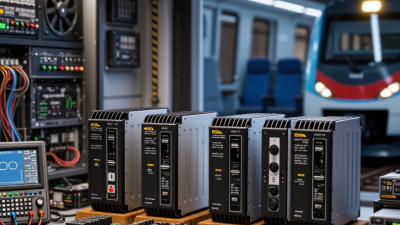
Choosing Railway DC/DC Converters is not simply a matter of matching voltage ratings. A converter sits between unstable onboard power and sensitive equipment. It must survive vibration, heat, electrical noise, and sudden load changes. A poor choice may look efficient on paper, yet fail inside a crowded traction cabinet. Professor John G. Kassakian, a respected power-electronics authority, describes the field clearly: “Power electronics is the technology of controlling electrical energy.” That principle matters in railway applications. Engineers must examine input voltage range, output regulation, isolation, efficiency, thermal performance, and protection functions. They should also check compliance with EN 50155, EN 45545-2, IEC 61373, and relevant EMC requirements. Standards are not decoration. Look closely at the real installation. Measure cabinet temperature near the converter. Consider whether airflow is restricted by filters, wiring, or neighboring equipment. A 300-watt unit may perform differently in a clean laboratory and a vibrating underfloor compartment. That difference is easy to underestimate. Reliability comes first. The selection process should include transient testing, overload behavior, short-circuit protection, service life, and supplier support. Redundant configurations may improve availability, but they also add cost, wiring, and new failure points. This is where design judgment matters. There is no universally perfect converter. A careful comparison should evaluate lifetime value, not only purchase price. Datasheets rarely reveal every practical weakness. Field experience, transparent test reports, traceable components, and realistic derating calculations provide stronger evidence. The final choice should fit the train, the route, and the maintenance strategy—not merely the specification sheet.
Read more »
Ethan By:Ethan - September 22, 2026
China Top Catenary DC AC Inverter Manufacturers?

China Top Catenary DC AC Inverter Manufacturers?

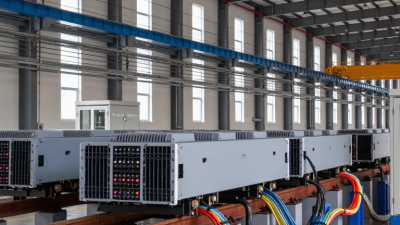
China Top Catenary DC/AC Inverters? This question deserves more than a factory list. It requires technical verification, application experience, and transparent supplier comparison. China’s railway expansion has created strong demand for reliable traction-power equipment. According to China State Railway Group’s 2023 annual information, China operated more than 159,000 kilometers of railway lines, including over 45,000 kilometers of high-speed rail. This extensive network creates demanding conditions for Catenary DC/AC Inverters, especially in substations, test systems, and regenerative-energy applications. The International Energy Agency’s Global EV Outlook 2024 reported that China represented more than half of global electric-car sales in 2023. Although electric vehicles and railways use different power architectures, both sectors increase pressure on power-conversion efficiency, thermal management, and grid stability. Suppliers should therefore demonstrate measured efficiency, overload capability, harmonic performance, and long-term service records. Relevant references include IEC 62477-1, EN 50163, and the EN 50126/50128/50129 railway safety framework. Certification alone is not enough. Look closely at the details. A dependable inverter should operate steadily beside vibrating track equipment, changing loads, dust, and limited maintenance access. Buyers should request factory test reports, third-party certificates, failure-rate data, and customer references from comparable voltage systems. Leading Chinese manufacturers may offer cost advantages, customization, and shorter production cycles. Yet supplier rankings can be subjective, and public performance data remains uneven. That weakness matters. This guide will compare manufacturers through engineering capability, product reliability, compliance evidence, delivery experience, and after-sales support, rather than promotional claims alone.
Read more »

Ethan By:Ethan - September 22, 2026
Top Bidirectional AC DC Battery Chargers for Global Buyers?

Top Bidirectional AC DC Battery Chargers for Global Buyers?

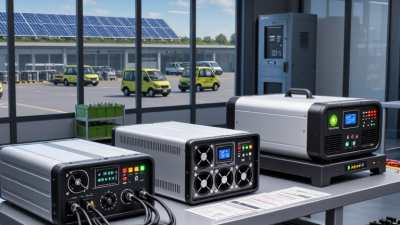
Choosing the right Bidirectional AC/DC Battery Chargers can shape a project’s safety, efficiency, and long-term operating cost. Global buyers often compare power ratings first, yet charging direction, thermal control, and grid compatibility deserve equal attention. A charger may perform well in a laboratory but struggle beside a dusty warehouse, a cold fleet yard, or a crowded solar installation. This guide examines leading charger options through practical purchasing criteria. These include bidirectional power flow, voltage range, conversion efficiency, communication protocols, enclosure protection, and service support. It also considers common battery chemistries, installation conditions, and regional certification requirements. Technical documents matter. So does the supplier’s response when a fault occurs at 2 a.m. Reliable comparisons should use published test data, clear warranty terms, and verifiable field experience. Buyers should question impressive efficiency claims without test conditions or load profiles. A 98% figure may change under heat, partial load, or repeated cycling. Small details matter. Connector design, firmware updates, cooling noise, and replacement-part availability can affect daily operations more than brochure language. The strongest choice depends on the application, not popularity alone. Fleet operators may prioritize rapid energy exchange and rugged enclosures. Renewable-energy users may need seamless coordination with inverters and storage systems. Industrial facilities may value predictable maintenance and remote diagnostics. No shortlist is perfect. Some specifications remain difficult to compare across manufacturers, and independent testing is not always available. Careful verification remains essential before placing a global order.
Read more »
Amelia By:Amelia - September 22, 2026