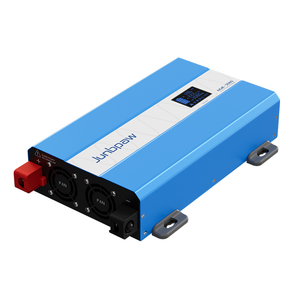
Top 10 Bidirectional Chargers Suppliers & Exporters

Global Engineering Whitepaper & Sourcing Guide: V2G/V2H Power Conversion Topologies, SiC Efficiency Benchmarks, and B2B OEM Procurement Strategies

Enterprise Hardware Selection

High-Performance Power Conversion & Charger Modules

Engineered for maximum reliability, wide DC voltage windows, and seamless bi-directional energy transfer across industrial, automotive, and renewable energy deployments.
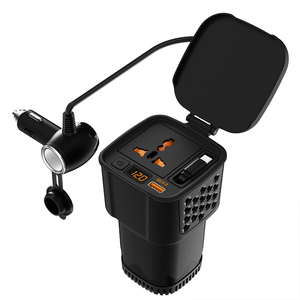
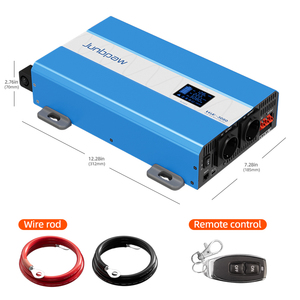
Car Laptop Charger Power Supply DC 12V to AC 220V 200W Cup Holder Converter
200W Cup-Holder DC/AC Power Converter with Universal Socket
Compact 12V DC to 220V AC continuous power supply designed for mobile workstation integration, feature-rich protection circuitry, and ultralow thermal dissipation.
Inquire Now
Solar Power RV Inverter 2kW 3kW 4kW Emergency Converter Pure Sine Wave
2kW - 4kW Pure Sine Wave Solar RV Emergency Inverter Platform
Industrial-grade emergency power converter supporting 50Hz/60Hz single output, low harmonic distortion (THD < 3%), and wide input voltage operational ranges.
Inquire Now
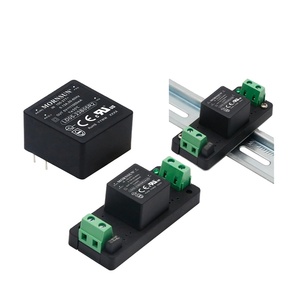
Board Mount AC DC Power Supply Converter Module 3W to 90W
Board-Mount AC/DC Converter Modules (3W to 90W Power Series)
Fully encapsulated PCB-mount power conversion modules optimized for industrial control systems, sub-assembly power rails, and harsh operating environments.
Inquire Now
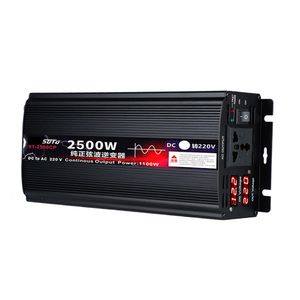
12V 24V 48V 60V DC AC Inverters 2500W Pure Sine Wave Dual Voltage Display
2500W Dual-Display Pure Sine Wave DC/AC Inverter Unit
High-surge capacity inverter system supporting 12V/24V/48V/60V DC inputs with dual digital LED status monitors and intelligent variable-speed cooling fans.
Inquire Now
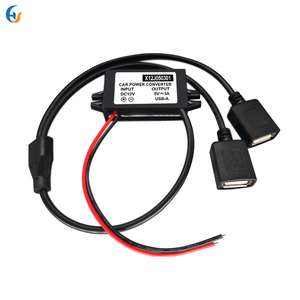
DC DC USB Power Converter 12V 24V to 5V 3A Step Down Buck Module
Step-Down DC/DC Buck Converter Module 12V/24V to 5V 3A USB
High-efficiency DC-DC step-down power adapter module providing regulated 5V 3A USB power for telematics, IoT sensors, and automotive electronics.
Inquire Now
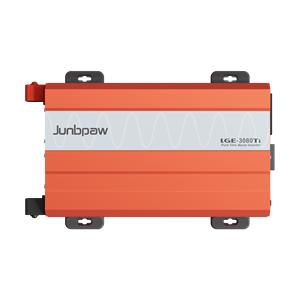
1KW to 3KW Pure Sine Wave Inverter DC 12V 24V 48V with Remote Control
1kW - 3kW Pure Sine Wave Inverter with Remote Management
Rugged DC to AC power converter series featuring multi-voltage DC support (12V/24V/48V), remote wireless control, and galvanically isolated outputs.
Inquire Now
High Power 40A DC DC Converter 12V 48V IP67 Waterproof Aluminum Shell
40A IP67 Sealed Heavy-Duty DC/DC Converter (12V to 48V)
Waterproof aluminum shell converter engineered for forklift, commercial truck, and marine applications requiring IP67 ingress protection and vibration immunity.
Inquire Now
Factory Wholesale 3kw Off-Grid Inverter 12V to 220V with LCD Display
3000W Off-Grid Sinewave Power Converter with LCD Display
Industrial off-grid power unit delivering 3kW continuous pure sine wave power from 12V battery banks, complete with real-time parameter tracking via built-in LCD.
Inquire Now
40+
Years Power Electronics Mastery
1,000+
Custom Engineering Designs
98.8%
Peak Efficiency Topologies
50+
Global Export Markets
72kW
Single-Unit Modular Power

Executive Procurement Analysis: The Shift to Bidirectional Power Architecture

The global transition toward electrified transport and decentralized renewable microgrids has elevated the bidirectional charger from a niche power conversion component to a mission-critical energy nexus. Unlike conventional unidirectional EVSE (Electric Vehicle Supply Equipment) or AC/DC rectifiers that only draw power from the grid to charge a battery, modern bidirectional charging systems utilize dual-active-bridge (DAB) topologies and Silicon Carbide (SiC) MOSFET switching modules to permit high-efficiency two-way energy flow. This enables essential grid-interactive modes, including Vehicle-to-Grid (V2G), Vehicle-to-Home (V2H), Vehicle-to-Building (V2B), and Vehicle-to-Everything (V2X).

For procurement executives, fleet operations directors, and system integrators, selecting the ideal OEM manufacturing partner or exporter requires a sophisticated understanding of power conversion density, thermal envelope management, isolation coordination, and normative compliance (such as ISO 15118-20, IEC 61851-23, UL 2202, and EN 50155). This comprehensive guide profiles the Top 10 Bidirectional Chargers Suppliers & Exporters globally, analyzes market trends, evaluates engineering architectures, and provides a structured sourcing roadmap for enterprise applications.

Key Technical Takeaway for Sourcing Engineers: Implementing bidirectional conversion infrastructure requires evaluating high-frequency switching platforms that minimize switching losses during light-load operating conditions. SiC-based dual-resonant CLLC and DAB converters now achieve round-trip power conversion efficiencies exceeding 97.5%, significantly reducing levelized cost of storage (LCOS) for enterprise fleets.

Top 10 Global Bidirectional Chargers Suppliers & Exporters Ranking

Our engineering research team has evaluated over 45 international manufacturers based on manufacturing footprint, technological maturity, SiC/GaN integration, certification scope, warranty terms, and global export support. Below are the definitive top 10 suppliers shaping the market in 2026.

1. Premium PSU (Premium S.A.)
Leader in Ruggedized Industrial & Custom Power
Headquarters: Barcelona, Spain
Power Range: 50W to 72kW (Modular)
Core Specialties: EN 50155 Railway, Bi-directional Chargers, Heavy Industrial
Key Standards: ISO 9001, EN 45545-2, IEC 62368, IEC 61010

Engineering Overview: Operating for over 40 years out of Barcelona, Premium PSU stands at the forefront of high-reliability, custom power conversion solutions. Premium PSU excels in ruggedized bidirectional AC/DC chargers and DC/DC converters built for harsh operational environments, railway rolling stock, stationary energy storage, and specialized industrial fleets. Their proprietary planar transformer integration and three-phase resonant power stages deliver exceptional power density and thermal endurance without forced air cooling in critical profiles.

  • Strengths: Complete customization capability, in-house EMC and climatic testing lab, over 1,000 certified custom platforms delivered.
  • Target Applications: Railway auxiliaries, heavy-duty mobile machinery, high-reliability microgrids, industrial energy storage.
2. Delta Electronics, Inc.
Global Volume Exporter
Headquarters: Taipei, Taiwan
Power Range: 11kW to 150kW DC Fast
Core Specialties: V2X Fleet Hubs, High-Efficiency Rectifiers
Key Standards: UL, CE, CHAdeMO, CCS2, ISO 15118

Engineering Overview: Delta Electronics is a powerhouse in mass-market power electronics manufacturing. Their bidirectional DC EV chargers leverage advanced Silicon Carbide (SiC) power modules, targeting commercial fleet depots and public utility hubs with scalable 50kW to 150kW bidirectional dispensers.

  • Strengths: Global scale, extensive export supply chain networks, high peak conversion efficiency.
  • Target Applications: Municipal transit hubs, commercial fleet charging, public V2G networks.
3. ABB E-mobility
Infrastructure & Megawatt Solutions
Headquarters: Baden, Switzerland
Power Range: 11kW AC to 360kW DC
Core Specialties: Grid-connected V2G Systems, MCS Charging
Key Standards: CharIN, IEC 61851-23, UL 2202, OCPP 2.0.1

Engineering Overview: ABB E-mobility delivers industrial-class bidirectional power hardware optimized for high-power utility integration. Their systems incorporate enterprise cloud telemetry via OCPP 2.0.1, making them ideal for large-scale Virtual Power Plant (VPP) aggregations.

  • Strengths: Worldwide field service network, robust grid-tie compliance certifications.
  • Target Applications: Megawatt fleet depots, utility grid stabilization systems.
4. Enphase Energy
Residential & Commercial V2H Integration
Headquarters: Fremont, California, USA
Power Range: 3.8kW to 11.5kW AC
Core Specialties: Microinverter Architecture, V2H Home Microgrids
Key Standards: UL 1741-SA / SB, IEEE 1547-2018, NEC 705

Engineering Overview: Enphase specializes in distributed microinverter topologies. Their bidirectional EV charger seamlessly interfaces with solar PV microinverters and stationary storage batteries under a single unified IQ Energy Management Engine, prioritizing off-grid resilience during utility outages.

  • Strengths: Seamless AC coupling, software-driven grid forming capability.
  • Target Applications: Residential V2H backup power, light commercial microgrids.
5. Wallbox Chargers
Pioneer in Compact DC Bidirectional Hardware
Headquarters: Barcelona, Spain
Power Range: 7.4kW to 22kW DC
Core Specialties: Lightweight Home DC Chargers, V2H Software
Key Standards: CE, UL 2202, ISO 15118

Engineering Overview: Wallbox disrupted the market with its Quasar series—one of the world's smallest bidirectional DC chargers for residential and commercial application. Their designs feature lightweight high-frequency planar transformers and intuitive mobile app controls.

  • Strengths: High visual design polish, compact form factor, user-friendly management apps.
  • Target Applications: Residential V2H, commercial building energy management.
6. Victron Energy B.V.
Off-Grid & Marine Power Leader
Headquarters: Almere, Netherlands
Power Range: 500W to 15kW Multi-Cluster
Core Specialties: Inverter/Chargers, DC-to-DC Converters, Marine Power
Key Standards: CE, E-Mark, IEC 62109, DNV Certification

Engineering Overview: Victron Energy is renowned for rugged, off-grid power conversion hardware. Their bi-directional inverter/chargers and heavy-duty DC-DC converters cater to maritime transport, mobile medical units, and remote industrial telemetry sites.

  • Strengths: Extremely modular ecosystem, open communication protocols (VE.Direct / CAN), legendary reliability.
  • Target Applications: Marine electrification, remote industrial power, commercial off-grid setups.
7. Eaton Corporation
Industrial Power Distribution & BESS
Headquarters: Dublin, Ireland
Power Range: 20kW to 250kW
Core Specialties: Buildings-as-a-Grid, Industrial Energy Storage
Key Standards: UL 9540, IEEE 1547, IEC 62933

Engineering Overview: Eaton integrates bidirectional charging within its broader "Buildings-as-a-Grid" power framework. Their industrial-scale bidirectional power conversion systems enable commercial property owners to turn EV fleets into peak-shaving energy assets.

  • Strengths: Complete switchgear and power distribution integration, turnkey enterprise software.
  • Target Applications: Industrial manufacturing plants, logistics hubs, data centers.
8. Ingeteam S.A.
Utility & Renewable Microgrid Specialist
Headquarters: Zamudio, Spain
Power Range: 25kW to 400kW+
Core Specialties: Utility-scale Inverters, Fast DC Bidirectional Stations
Key Standards: IEC 61851-23, CE, IEEE 519

Engineering Overview: Ingeteam specializes in high-power conversion systems for utility solar, wind, and energy storage. Their bidirectional EV stations leverage advanced power electronics built for continuous heavy-duty cycle operations in harsh outdoor installations.

  • Strengths: Exceptional grid-code support, high power ratings, custom containerized solutions.
  • Target Applications: Large utility projects, heavy transport hubs, solar-plus-storage EV centers.
9. Siemens AG
Industrial Automation & Smart Grid Integration
Headquarters: Munich, Germany
Power Range: 10kW to 300kW
Core Specialties: Sicharge Infrastructure, Industrial Fleet Automation
Key Standards: ISO 15118, DIN SPEC 70121, IEC 61851

Engineering Overview: Siemens incorporates bidirectional power electronics into its comprehensive smart infrastructure portfolio. Designed to interface directly with MindSphere IoT networks, Siemens chargers support automated fleet management and dynamic load balancing.

  • Strengths: Unmatched industrial automation integration, enterprise cyber-security compliance.
  • Target Applications: Smart cities, automated logistics depots, industrial complexes.
10. Rhombus Energy Solutions (BorgWarner)
Commercial Vehicle V2G Specialist
Headquarters: San Diego, California, USA
Power Range: 60kW to 125kW High Power DC
Core Specialties: Heavy-Duty V2G Chargers, School Bus Fleet Electrification
Key Standards: UL 1741-SA, CHAdeMO, CCS1, ISO 15118

Engineering Overview: Acquired by BorgWarner, Rhombus specializes in heavy-duty bidirectional power hardware designed specifically for municipal electric school buses, transit buses, and medium/heavy-duty commercial truck fleets.

  • Strengths: High reliability under continuous cycling, deep integration with US utility V2G pilots.
  • Target Applications: Electric school bus fleets, municipal transit, commercial logistics.

Engineering Benchmarking Matrix: Top Supplier Capabilities

To assist procurement managers in comparative technical analysis, the table below outlines core manufacturing and technical parameters across leading global bidirectional charger exporters.

Manufacturer Peak Efficiency Switching Semiconductor Primary Target Power Compliance & Certifications Customization Flexibility
Premium PSU > 98.2% SiC MOSFETs / GaN 50W – 72kW Modular EN 50155, EN 45545-2, IEC 62368 Very High (100% Tailored)
Delta Electronics 96.5% SiC / Silicon IGBT 50kW – 150kW UL 2202, CE, CHAdeMO, CCS Moderate (Standard Modular)
ABB E-mobility 97.0% SiC Hybrid 24kW – 360kW OCPP 2.0.1, CE, UL, ISO 15118 Low (Catalog Standard)
Enphase Energy 97.5% SiC MOSFETs 3.8kW – 11.5kW UL 1741-SB, IEEE 1547 Low (Ecosystem Locked)
Wallbox 96.0% Silicon / SiC Hybrid 7.4kW – 22kW CE, UL 2202, ISO 15118 Low (Standard Off-the-Shelf)
Victron Energy 95.5% High-Toroid MOSFETs 500W – 15kW CE, DNV, E-Mark, IEC 62109 Moderate (Modular Blocks)

Future Procurement & Technology Vectors in Bidirectional Charging (2026–2030)

Strategic procurement requires forecasting technological shifts over a 5-to-10-year asset horizon. As energy markets decentralize, three primary technological vectors are dictating the next generation of bidirectional chargers:

1. Wide Bandgap Semiconductors: Silicon Carbide (SiC) & Gallium Nitride (GaN)

Traditional silicon IGBTs (Insulated Gate Bipolar Transistors) are rapidly being superseded by SiC MOSFETs and GaN HEMTs in dual active bridge converter designs. SiC devices allow switching frequencies to exceed 100 kHz to 300 kHz without incurring unacceptable switching thermal penalties. This high switching speed enables a 40% reduction in magnetic core size (transformers and inductors), dramatically shrinking overall chassis volume while driving peak conversion efficiency beyond 98%.

2. Advanced Converter Topologies: Dual Active Bridge (DAB) & Resonant CLLC

Bidirectional energy flow demands symmetrical efficiency during both charge (grid-to-vehicle) and discharge (vehicle-to-grid) cycles. The Isolated Dual Active Bridge (DAB) and CLLC Resonant Converter topologies provide zero-voltage switching (ZVS) across wide DC voltage ranges (200V to 1000V DC). This topology ensures seamless phase-shift control, enabling instantaneous switching between charge and discharge directions in under 10 milliseconds—a prerequisite for utility primary frequency regulation services.

3. Standardization: ISO 15118-20, CHAdeMO 3.0 (ChaoJi), and OCPP 2.0.1

Historical interoperability roadblocks are dissolving under universal adoption of the ISO 15118-20 standard, which governs bidirectional power transfer over High-Level Communication (HLC) via Power Line Communication (PLC). Combined with Open Charge Point Protocol (OCPP) 2.0.1, enterprise operators can now remotely command complex V2G schedule profiles, enforce anti-battery-degradation algorithms, and execute smart Plug & Charge authentication securely.

Enterprise Advantage: Why Industry Leaders Partner with Premium PSU

For over 40 years, Premium PSU has engineered and manufactured industrial power conversion systems from Barcelona, Spain, delivering uncompromised power solutions across 5 continents. Our engineering philosophy centers on de-risking complex power applications before physical deployment.

Complete Customization Engineering

Where catalog suppliers impose rigid mechanical envelopes, Premium PSU designs bespoke topologies, custom planar magnetics, and tailored enclosures optimized for your exact space, thermal envelope, and electrical specifications.

In-House Testing & Qualification

Our Barcelona facility houses dedicated electromagnetic compatibility (EMC), thermal cycling, vibration, and high-voltage isolation test chambers. We validate compliance against EN 50155, EN 45545-2, and IEC 61010 internally to accelerate your time-to-market.

Obsolescence Control & Long-Term Supply

Critical infrastructure programs run for decades. We guarantee component lifecycle monitoring, last-time-buy strategies, form-fit-function redesign support, and long-term fleet maintenance services for up to 20+ years.

High Energy Density & Planar Magnetics

By utilizing custom PCB planar transformers and interleaved resonant power stages, our converters achieve industry-leading volumetric power density with superior heat dissipation characteristics.

Procurement & Technical FAQ: Sourcing Bidirectional Chargers

Common technical and commercial queries addressed by our senior power electronics application engineers.

1. What is the efficiency penalty of bidirectional charging compared to unidirectional charging?
Modern bidirectional chargers utilizing Silicon Carbide (SiC) MOSFETs and soft-switching resonant topologies (such as Dual Active Bridge or CLLC) experience minimal efficiency penalties. High-grade industrial bidirectional converters achieve one-way efficiencies of 97.5% to 98.2%, yielding a round-trip efficiency (grid-to-battery-to-grid) of approximately 95% to 96.2%, assuming low-resistance battery chemistry.
2. How does bidirectional discharge impact EV battery degradation?
Battery degradation during V2G or V2H operation depends primarily on thermal management, C-rate, and state-of-charge (SoC) operating windows. Controlled bidirectional discharging at moderate C-rates (e.g., 0.2C to 0.5C) within an optimal SoC band (20% to 80%) generates negligible micro-cycling wear. Furthermore, sophisticated ISO 15118-20 compliant chargers integrate software algorithms that prevent deep discharge cycles, maintaining long-term battery health.
3. Which certifications are mandatory for exporting bidirectional chargers to EU and US markets?
For the European Union, chargers must comply with CE marking requirements, IEC 61851-1/-23/-24 (conductive charging), IEC 62477-1 (power electronic safety), and EN 301 489 for EMC. For North America, chargers require UL 2202 (EV charging systems), UL 9741 (bidirectional EVSE), UL 1741-SA/SB (grid-interactive inverters), and IEEE 1547 compliance for grid interconnection. Railway or harsh industrial applications additionally demand EN 50155, EN 45545-2 (fire safety), and EN 61373 (vibration).
4. What is the typical lead time for custom engineered bidirectional power units?
For standard off-the-shelf platforms, lead times typically range from stock availability to 4–6 weeks. Custom engineering programs—from initial specification review and planar magnetic simulation to certified pre-production samples—typically require 16 to 28 weeks, depending on environmental test requirements and certification scope. Re-using pre-qualified building block topologies can significantly compress NRE timelines.
5. Can bidirectional chargers operate in off-grid / islanded mode during power outages?
Yes, provided the charger topology supports grid-forming inverter functionality and incorporates an automatic transfer switch (ATS) to physically isolate the local microgrid from the main utility grid. This islanding capability is the core mechanism enabling Vehicle-to-Home (V2H) and Vehicle-to-Building (V2B) emergency backup power during utility grid failures.
6. How does Premium PSU support long-term OEM partnerships and custom procurement?
Premium PSU provides end-to-end engineering support, including dedicated project engineering contacts, complete 3D CAD step models, circuit simulation data, early-stage prototype evaluation units, and comprehensive First Article Inspection (FAI) reports. We back our hardware with long-term component lifecycle tracking and global technical service support.

Consult with a Senior Power Conversion Engineer

Whether you require a qualified off-the-shelf converter platform or a fully custom bidirectional power unit engineered in Barcelona, our technical team is ready to evaluate your specification.