
Explore our top-rated power conditioning modules, engineered for wide input transients, rugged operational environments, and high power conversion efficiency.
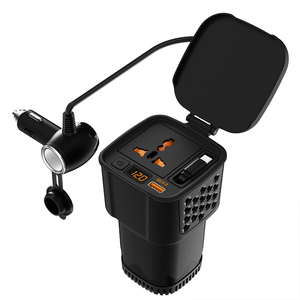
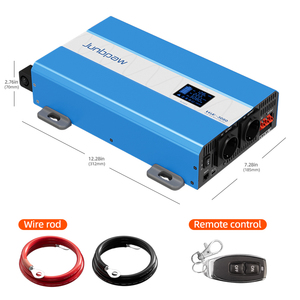
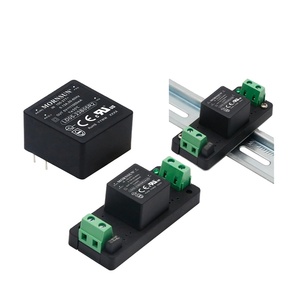
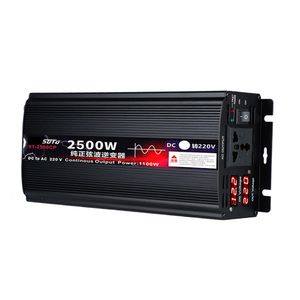
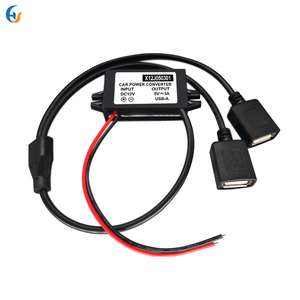
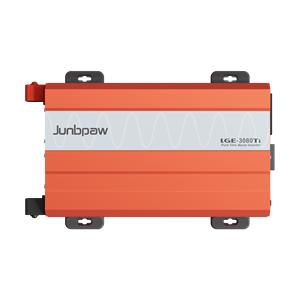
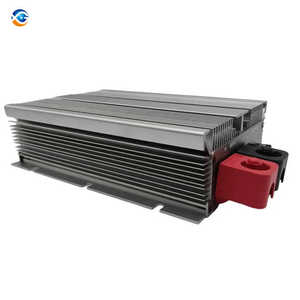
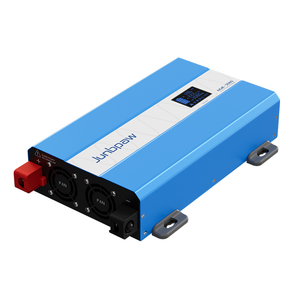
For over four decades, our engineering headquarters in Barcelona has set the benchmark for heavy-duty power conditioning systems, high-efficiency DC/DC converters, pure sine wave inverters, and modular battery charging equipment.
Every converter topology undergoes exhaustive thermal, electrical, and mechanical stress modeling to guarantee long MTBF under harsh catenary and grid conditions.
Leveraging high-frequency Silicon Carbide (SiC) and Gallium Nitride (GaN) switching stages with custom planar transformers to maximize volumetric efficiency up to 96%.
Full compliance testing against EN 50155, EN 50121-3-2 (EMC), EN 45545-2 (Fire & Smoke), EN 61373 (Vibration), and IEC 62368 industrial security standards before mass production.
Long-term project support featuring proactive component monitoring, last-time-buy guarantees, form-fit-function retrofits, and worldwide fleet repairs.

An engineering analysis of user intent, semantic power quality requirements, conversion topologies, and systemic sourcing strategies for OEMs and global systems integrators.
In contemporary industrial infrastructure, power conditioning extends far beyond simple voltage step-down or AC-to-DC conversion. Modern equipment operates in highly non-linear electrical environments characterized by transient catenary spikes, high-frequency electromagnetic interference (EMI), harmonic distortion, and rapid load swings. Electrical power conditioning encompasses the systematic attenuation of grid anomalies, dynamic voltage stabilization, galvanic isolation, and total harmonic distortion (THD) suppression.
When specifying industrial-grade power converters or inverters, design engineers must prioritize output sine wave purity. Standard modified sine wave converters generate significant harmonic content that induces parasitic heating in AC motors, triggers false alarms in digital control networks, and severely reduces the operational lifespan of sensitive electronics. Pure sine wave inversion—achieved through pulse-width modulation (PWM) driven by high-speed microcontrollers—delivers a clean sinusoidal waveform with THD under 3%, matching or exceeding raw utility grid quality.
Furthermore, galvanic isolation is a critical safety and operational requirement. By physically decoupling input and output grounds using planar high-frequency transformers, isolated DC/DC converters prevent ground loops, isolate dangerous high-voltage spikes (such as 1500V or 3000V DC catenary transients), and protect low-voltage control circuits in railway auxiliary systems and automated industrial machinery.
Global procurement directors face a recurring strategic decision: whether to integrate off-the-shelf standard power supply modules or invest in custom-engineered power conversion systems.
Standard Catalogue Platforms: Over 260+ pre-qualified platforms allow engineering teams to accelerate prototyping cycles. With documented EN 50155 type tests, standardized form factors (DIN rail, 19-inch rack, or chassis mount), and inventory availability, standard units drastically reduce initial Non-Recurring Engineering (NRE) expenditures and time-to-market.
Custom Engineered Systems: When applications present non-standard physical envelopes, extreme ambient temperature variations (-40°C to +85°C), specialized multi-channel outputs, or specific functional safety redundancies (N+1 parallel configuration), custom engineering becomes essential. By utilizing modular, pre-tested building blocks—such as planar magnetics and resonant inverter stages—custom development timelines can be compressed to just 16–28 weeks without compromising certification compliance.
Selecting the optimal switching topology directly dictates system power density, thermal dissipation profiles, electromagnetic emissions, and overall reliability. Below is a comparative technical evaluation of mainstream industrial converter topologies used across our product spectrum:
| Converter Architecture | Typical Efficiency | Isolation Level | Primary Industrial Application | Key Advantage |
|---|---|---|---|---|
| Synchronous Buck (DC/DC) | 94% - 97% | Non-Isolated | Automotive step-down, IoT sensors, 5V/12V rails | Ultra-compact, low cost, high efficiency |
| Isolated Flyback / Forward | 85% - 90% | Galvanic (Up to 3kVAC) | PCB mount power modules (3W to 90W) | Wide input range, high dielectric protection |
| LLC Resonant Converter | 93% - 96% | Galvanic (3kV - 5kVAC) | Railway DC/DC, Substation Rectifiers, Battery Chargers | Zero Voltage Switching (ZVS), low EMI signature |
| Three-Phase Pure Sine Inverter | 91% - 95% | Full Input-Output Isolation | Catenary auxiliaries, Railway HVAC, VFD drives | Clean 3-phase AC, handles high inductive inrush |
| Planar Transformer Resonant | 95% - 98% | Enhanced High-Voltage Isolation | Defense, High-tech machinery, Data Center power | Ultra-thin profile, superior thermal conductance |
The convergence of power electronics and digital intelligence has established predictive maintenance as an industry standard. Modern high-power rectifiers and catenary converters are no longer isolated black boxes; they serve as critical telemetry nodes within the IoT ecosystem.
Modules such as our Premium Vision Communication Gateway integrate seamlessly with industrial power supplies to continuously collect operating metrics—including internal junction temperatures, input voltage transients, ripple currents, and operating hours.
This live diagnostic data is streamed securely via MODBUS, CANbus, or Cloud APIs, enabling system operators to identify component degradation prior to failure. Transitioning from fixed-interval servicing to condition-based maintenance slashes fleet downtime and reduces Total Cost of Ownership (TCO) across railway networks and power substations.
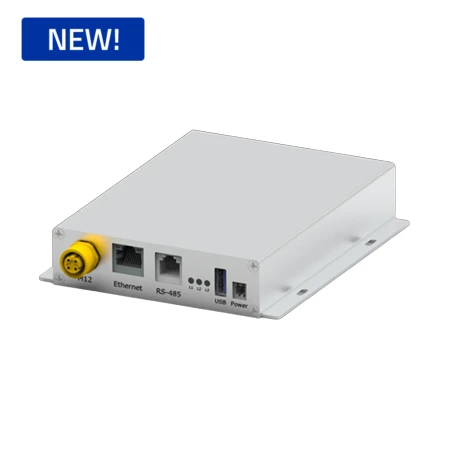
IoT Gateway Module
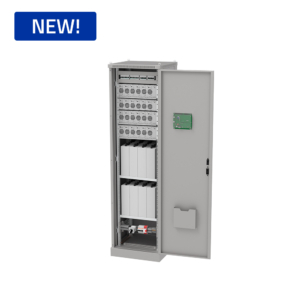
Modular Rectifier System
As industrial electrification accelerates worldwide—driven by the expansion of high-speed rail networks, commercial energy storage systems (BESS), electric vehicle (EV) charging infrastructures, and automated manufacturing—the global market for power conditioning systems is undergoing fundamental structural shifts:
Procurement strategy has shifted from lowest initial unit cost toward supply chain transparency, regional compliance, and long-term lifecycle viability. Tier-1 OEMs increasingly prioritize power supply factories that maintain full design, assembly, and testing operations in accredited facilities (such as ISO 9001 certified sites in Europe). In-house manufacturing prevents component substitution risks, ensures compliance with strict conflict-mineral regulations, and guarantees fast engineering response times.
Silicon-based MOSFETs and IGBTs are rapidly reaching their physical performance limits regarding switching frequency and thermal management. Silicon Carbide (SiC) Schottky diodes and MOSFETs allow converters to operate at higher switching frequencies with dramatically reduced switching losses. This transition enables significant reductions in passive magnetic components (transformers and inductors), yielding lighter, smaller chassis designs with efficiency metrics exceeding 97%.
Critical installations—including railway signalling cabinets, telecommunication hubs, and data center backup power—cannot tolerate single-point power failures. Sourcing managers are favoring N+1 or N+2 redundant power systems. Utilizing active current-sharing buses and hot-swappable sub-racks allows technical personnel to replace a degraded power module live without interrupting utility delivery to mission-critical downstream hardware.
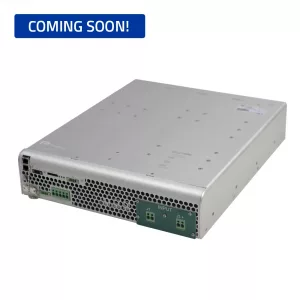
OVX-6400 Railway Inverter
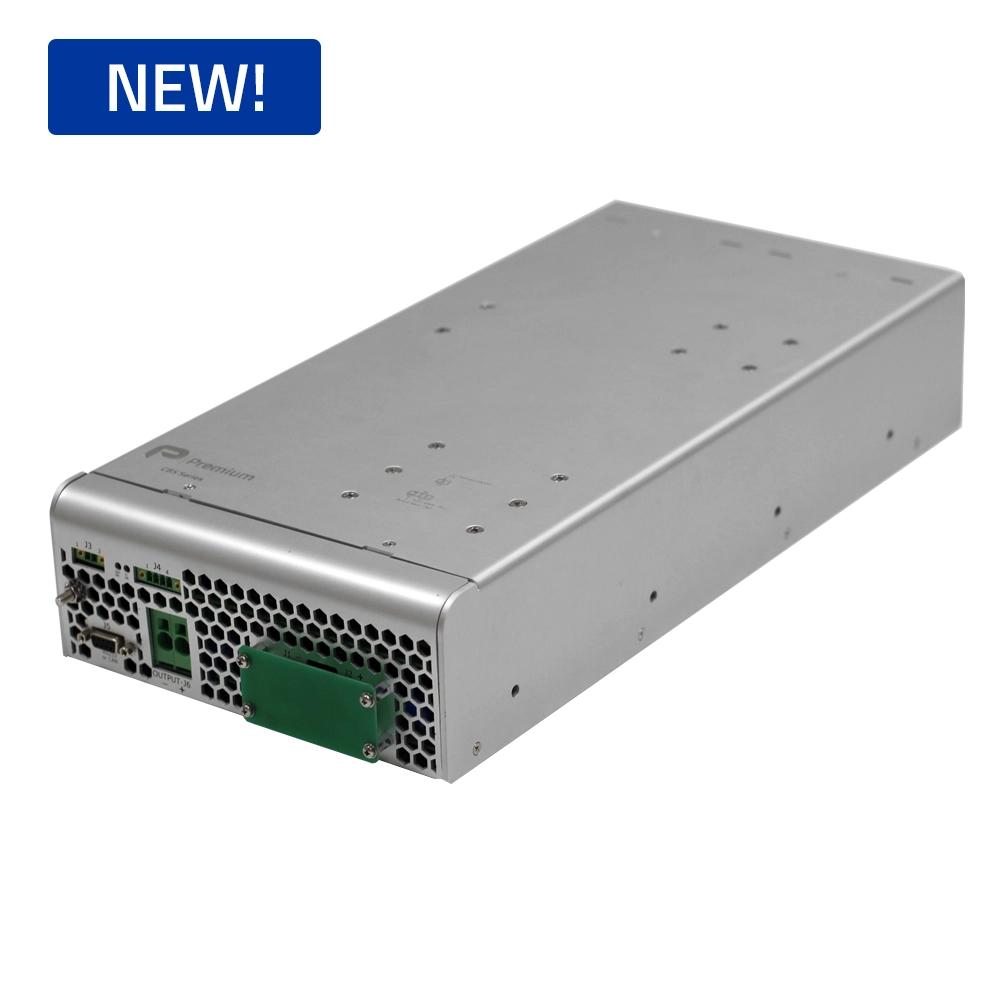
CBS-10K High Peak Converter
Heavy equipment—such as electric forklifts, mining trucks, and railway rolling stock—subjects power conversion equipment to severe electrical shock loads. Motor start-ups, electro-magnetic braking systems, and pneumatic compressor actuation induce brief peak power demand up to 300% of nominal rating.
Our specialized DC/DC converters (such as the CBS-10K Series) incorporate dynamic current-limit circuits and oversized energy storage capacitors, enabling them to deliver up to 10 kW peak power without tripping thermal protection or causing voltage sags on auxiliary control buses.
Clear, authoritative answers regarding specs, EN standards, lead times, and custom engineering options.
Our standard and custom power conversion platforms cover a power spectrum ranging from 50 W up to 72 kW per single unit. For applications demanding megawatt-scale power distribution, individual chassis can be combined in parallel rack systems featuring active digital current sharing, N+1 redundancy, and hot-swap modularity.
Rolling stock and wayside equipment are engineered and qualified against strict European and international standards:
A typical custom design program—from initial engineering specification review to prototype delivery and type test approval—takes between 16 and 28 weeks. Lead times depend primarily on mechanical customity, custom planar magnetic development, and required environmental qualification campaigns. By utilizing pre-qualified resonant topologies and modular sub-assemblies, NRE costs and development schedules are significantly reduced.
Railway and infrastructure assets remain operational for 20 to 30 years. Premium PSU provides long-term lifecycle management including proactive component EOL (End-of-Life) monitoring, Last-Time-Buy (LTB) component buffering, pin-to-pin compatible redesigns (Form-Fit-Function), and dedicated repair/retrofit services for active fleets worldwide.
We manufacture converters tailored to diverse thermal management strategies:
You can connect immediately with our power engineering team by clicking any of the Get a Quote call-to-action buttons across this portal. Simply submit your target input voltage window, required output channels, mechanical envelope, cooling constraints, and certification scope for a comprehensive technical evaluation.