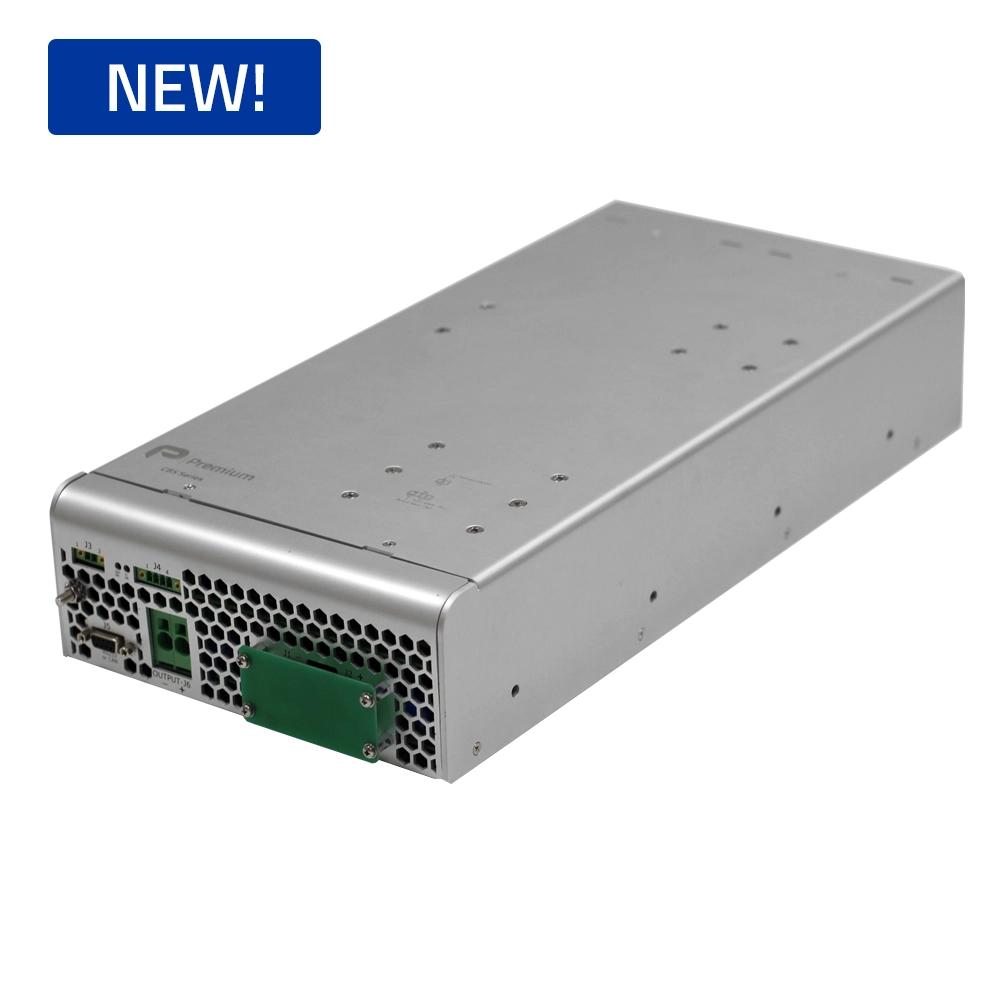
Navigating Next-Generation Industrial Power Converter Systems
In modern electrical engineering and industrial automation, power conversion is no longer a passive black box. As industrial networks transition toward high-voltage direct current (HVDC) distribution, smart microgrids, and electrified mobility systems, **Industrial Power Converter Systems** serve as the critical heart determining total system efficiency, electromagnetic compatibility (EMC), thermal stability, and operational uptime.
Global procurement teams and senior electrical design engineers face unprecedented headwinds: balancing rapid decarbonization targets, accommodating wide-input voltage fluctuations across harsh electrical grids, and eliminating single points of failure in mission-critical environments. Whether specifying auxiliary power supplies for rolling stock operating under EN 50155 conditions or designing resilient battery chargers for utility substations, selecting the appropriate conversion system requires deep parametric analysis rather than reliance on nominal datasheet values.
This master technical guide—compiled by the senior power design team at Premium PSU—synthesizes 40+ years of Barcelona-based engineering expertise, operational field data from 5 continents, and advanced user intent analytics from industrial buyers worldwide. Below, we break down top-performing product topologies, future global sourcing trends, wide-bandgap (SiC/GaN) technological evolution, and real-world procurement criteria engineered to de-risk high-capital projects.
Information Gain Key Takeaway for System Architects
When evaluating Industrial Power Converter Systems, nominal efficiency figures (e.g., 94% peak) can be misleading. True reliability is dictated by partial-load efficiency curves, thermal derating margins above 55°C ambient, magnetic planar integration, and component stress budgets calculated against worst-case catenary or grid transients.